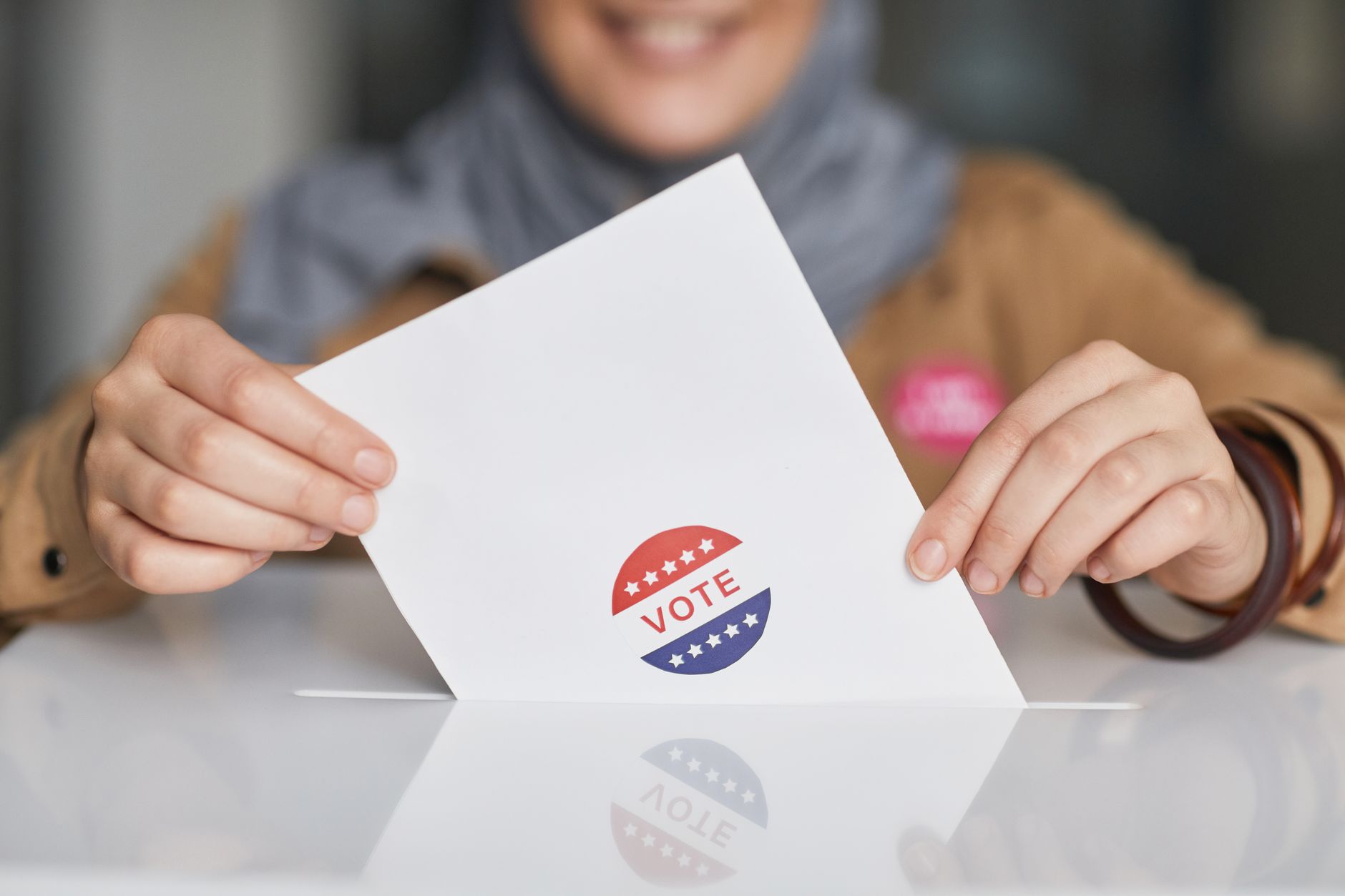
election prediction markets are increasingly viewed negatively by the public, according to a recent report. This growing opposition could impact the future of such markets in the U.S.
Understanding election prediction markets
Election prediction markets are platforms where individuals can buy and sell shares in the outcomes of various political events, including elections. These markets operate on the principle that the collective knowledge and opinions of participants can lead to accurate predictions about future events.
Typically, participants wager on possible outcomes, with prices reflecting the perceived probability of each event occurring. For instance, if a candidate’s shares are trading at a high price, it suggests that market participants believe that candidate is likely to win the election.
Despite their potential for accuracy, election prediction markets have come under scrutiny. Recent reports indicate a growing public backlash against these markets, with many concerned about their ethical implications and the influence they may have on voter behavior. Critics argue that such platforms could distort the democratic process, leading to manipulation and undue pressure on voters based on speculative trading.
As discussions about the future of election prediction markets continue, it remains unclear how these platforms will evolve in response to public sentiment.
Public sentiment on gambling
The rise of election prediction markets has sparked a significant public backlash, as many Americans express concerns about the ethical implications of gambling on election outcomes. Public sentiment has shifted, leading to a growing debate about the appropriateness of these platforms in a democratic society.
Recent surveys indicate that a substantial portion of the population is uncomfortable with the idea of placing bets on political events. Key reasons for this sentiment include:
- Integrity of Elections: Many citizens worry that gambling could undermine the integrity of the electoral process, turning serious civic duties into mere betting opportunities.
- Exploitation Risks: Critics argue that these markets might exploit vulnerable populations, drawing in those who may not fully understand the implications of their bets.
- Encouragement of Misinformation: There are concerns that prediction markets could propagate misinformation, as bettors might be incentivized to spread false narratives to influence odds.
As the conversation continues, it remains to be seen how these markets will adapt to public concerns while maintaining their relevance in political discourse.
Impact of public opinion on markets
The recent backlash against election prediction markets has raised significant concerns about their future reliability and acceptance. As public sentiment shifts, the impact on these markets becomes increasingly evident. A majority of Americans express discomfort with the idea of gambling on election outcomes, leading to a potential decline in participation and investment in these platforms.
Key factors influencing public opinion include:
- Moral objections: Many individuals believe that betting on elections undermines the democratic process, viewing it as a commodification of civic duty.
- Concerns over integrity: Skepticism regarding the accuracy of predictions and the potential for manipulation raises alarm among voters and policymakers alike.
- Lack of understanding: A significant portion of the population remains unaware of how these markets function, leading to fear and mistrust.
As these factors converge, the viability of election prediction markets may hinge on their ability to address public concerns and reshape the narrative surrounding their role in the electoral process.
Comparing prediction markets to traditional betting
As election prediction markets gain traction, it’s essential to compare them to traditional betting systems. Both involve speculating on outcomes, but their implications and public perception differ significantly.
Traditional betting typically focuses on sports or entertainment, often viewed as harmless fun. In contrast, election prediction markets deal with political outcomes, which can stir strong emotions and ethical concerns among the public. Many critics argue that wagering on elections undermines the democratic process, turning significant societal decisions into mere gambling opportunities.
Moreover, while traditional betting is widely accepted in many cultures, election prediction markets face skepticism and backlash. This stems from fears that they may influence voter behavior or decision-making, creating a perception that elections are merely a game.
Despite their potential for accuracy in forecasting electoral outcomes, the controversy surrounding election prediction markets suggests that public sentiment may hinder their growth. As the debate continues, understanding the differences between these two forms of speculation is vital for evaluating their future in the political landscape.
Legal implications for election betting
The legal landscape surrounding election prediction markets remains contentious, particularly as public sentiment shifts against the idea of betting on electoral outcomes. Many states have laws that explicitly prohibit gambling on elections, and this has raised questions about the legality of such markets. Stakeholders argue that while prediction markets can provide valuable insights into electoral trends, they may also encourage unethical behavior.
Legal experts warn that the growth of these markets could lead to increased scrutiny from regulators. Some states are considering revising their gambling laws to either accommodate or prohibit election prediction markets, depending on public opinion and political pressure. Additionally, potential conflicts with federal regulations may arise, complicating the establishment of a unified legal framework.
As more individuals engage with these markets, the need for clear legal guidelines becomes ever more urgent. The potential for election prediction markets to influence voter behavior and undermine democratic processes has become a focal point of debate. Stakeholders in the industry must navigate these choppy waters carefully to avoid running afoul of the law while meeting public concerns.
Future of gambling in U.S. elections
The future of gambling in U.S. elections appears increasingly uncertain as election prediction markets face significant public backlash. Recent surveys indicate a growing consensus against the idea of wagering on electoral outcomes. Many Americans express concerns that such markets could undermine the democratic process, leading to a perception that elections are mere commodities open to speculation.
Additionally, critics argue that these markets could amplify misinformation and foster a culture where financial gain overshadows civic duty. As public sentiment shifts, lawmakers may feel pressured to reconsider the legal status of election betting, potentially leading to stricter regulations or outright bans.
The mounting opposition to gambling on elections raises questions about the viability of prediction markets as a legitimate tool for gauging electoral outcomes. If public disapproval continues to escalate, platforms that facilitate these markets may struggle to maintain their operations. Moving forward, the ability of election prediction markets to navigate this challenging landscape will be crucial in determining their role in future electoral processes.
Expert opinions on prediction markets
Experts are weighing in on the contentious issue of election prediction markets, highlighting the challenges they face amidst public backlash. According to Dr. Emily Carter, a political economist, “The skepticism surrounding these markets stems largely from a misunderstanding of their function. They are not mere gambling platforms; they are tools for aggregating information and gauging public sentiment.”
Conversely, Dr. Michael Chen, a legal analyst, warns of the potential risks. “While election prediction markets can provide insights, they may also exacerbate feelings of disenfranchisement among voters. If the public perceives that their votes are being reduced to monetary bets, it could undermine the democratic process.”
Moreover, Dr. Sarah Lee, a social psychologist, argues that the ethical implications cannot be ignored. “The idea of profiting from electoral outcomes may lead to a chilling effect on voter participation. It raises questions about the integrity of the electoral system.”
As the debate continues, these expert opinions underscore the complex relationship between election prediction markets and public perception, highlighting the need for a nuanced approach to their potential implementation.
Alternatives to election prediction markets
As public sentiment grows increasingly critical of election prediction markets, many are exploring alternatives that could provide similar insights without the associated controversies. One option gaining traction is crowdsourced polling, where a diverse group of individuals contributes their predictions based on personal insights and social dynamics, allowing for a more comprehensive view of electoral outcomes.
Another alternative is the use of data analytics platforms that aggregate various forms of public opinion data, such as surveys and social media sentiment analysis. These platforms aim to distill the collective sentiment of the electorate without the stigma of gambling.
Additionally, academic forecasting models have been developed, which rely on statistical methods and historical data to predict election outcomes. These models can provide a more objective approach, minimizing the emotional and financial risks associated with traditional betting.
As the debate around election prediction markets continues, stakeholders are encouraged to consider these alternatives that align more closely with public sentiment while still offering valuable insights into electoral trends.
Photo by Edmond Dantès on Pexels
Sources
iGaming Expert · Election prediction markets
MotoGP Title Fight: The Real Winner Revealed in Aprilia’s Victory · Gemini Live mobile UI: Is It the Best Change Yet? · Kalshi Press Secretary Trades: Proven Insights You Need