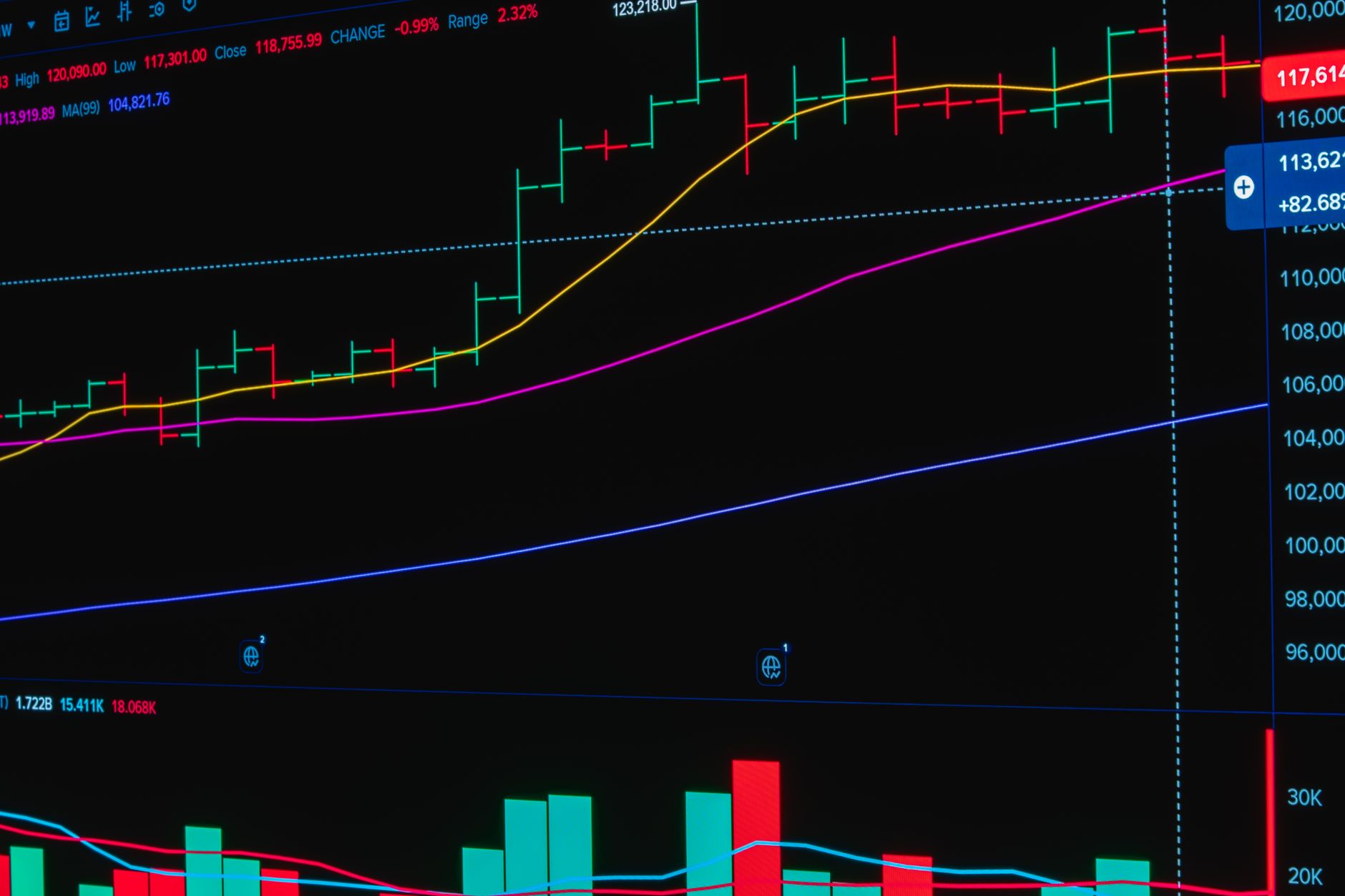
Prediction markets problems are becoming increasingly apparent as most Americans reject betting on elections. This trend raises questions about the future of prediction markets in the U.S.
Understanding Prediction Markets
Prediction markets have emerged as a fascinating tool for gauging public sentiment and forecasting outcomes, particularly in political arenas. However, they face significant challenges, primarily due to the general skepticism surrounding betting among Americans. Many individuals view these markets as akin to gambling, which contributes to a reluctance to participate.
Despite their potential to provide valuable insights, prediction markets problems persist as a barrier to widespread acceptance. A lack of understanding about how these markets operate often leads to misconceptions. For many, the notion of placing a wager on an election outcome feels uncomfortable or unethical.
Moreover, regulatory concerns further complicate the landscape, as laws governing gambling can vary widely across states. This patchwork of legislation can deter participation, leaving prediction markets underutilized as a forecasting tool.
Ultimately, overcoming these obstacles will be crucial for the future success of prediction markets in American society.
Reasons for Rejection of Betting
Despite the potential benefits of prediction markets, many Americans remain hesitant to engage in betting activities. Several factors contribute to this widespread rejection of betting.
- Social Stigma: Many individuals associate betting with gambling, which can carry negative connotations and lead to disapproval from peers and family.
- Lack of Understanding: A significant portion of the population is unfamiliar with how prediction markets function, resulting in skepticism about their reliability and accuracy.
- Legal Concerns: Uncertainty regarding the legality of betting on elections can deter potential participants from engaging in prediction markets.
- Ethical Considerations: Some Americans feel that betting on elections undermines the democratic process, viewing it as inappropriate to treat critical political outcomes as mere commodities.
These obstacles highlight the complex issues surrounding prediction markets problems and the public’s reluctance to participate in them.
Impact on Future of Elections
The impact of the rejection of betting on elections is significant for the future of prediction markets. As most Americans express discomfort with the idea of gambling on political outcomes, the potential for these markets to shape electoral forecasts is hindered. This sentiment highlights several key issues:
- Trust in the System: Many individuals question the integrity of outcomes influenced by financial stakes.
- Cultural Attitudes: The prevailing view of betting as morally ambiguous affects participation rates.
- Regulatory Challenges: The legal landscape surrounding gambling complicates the establishment of prediction markets.
As a result, the viability of prediction markets as tools for forecasting elections may be compromised. Without broader acceptance, these markets could struggle to gain traction, limiting their role in providing insights into electoral dynamics and ultimately affecting decision-making processes.
Trends in Gambling Behavior
Recent trends in gambling behavior indicate a significant shift among the American populace, particularly concerning prediction markets problems. Surveys reveal that a majority of Americans are hesitant to engage in betting activities, especially when it pertains to critical events such as elections. This aversion can be attributed to several factors, including moral objections and a lack of trust in the system.
Additionally, as more states enact regulations surrounding gambling, public sentiment continues to evolve. Many individuals view prediction markets as a form of speculative gaming rather than a legitimate forecasting tool, which may hinder their acceptance in mainstream culture. The intersection of technology and gambling has further complicated perceptions, as the rise of online platforms creates both opportunities and challenges.
- Changing attitudes: A growing skepticism towards betting.
- Regulatory impacts: Laws shaping public perception.
- Technological influence: Online platforms altering engagement.
Alternatives to Prediction Markets
As prediction markets face significant challenges, many are exploring alternatives that might appeal to those wary of betting. These alternatives aim to engage participants in forecasting outcomes without the stigma associated with gambling.
Some potential alternatives include:
- Survey-based forecasting: Utilizing large-scale surveys to gauge public opinion and expectations, providing insights without financial stakes.
- Crowdsourced platforms: Leveraging collective intelligence through platforms that allow users to share and discuss predictions, fostering community interaction.
- Gamification: Creating interactive games that simulate prediction markets, offering rewards based on accuracy while removing the gambling aspect.
These alternatives not only address the prediction markets problems but also create a more inclusive environment for those hesitant to engage in traditional betting.
Despite the potential benefits of prediction markets, many Americans remain skeptical due to various prediction markets problems. This rejection highlights the need for better education and understanding of how these markets function.
Photo by Rafael Minguet Delgado on Pexels
Read the original
You might also like
Asian Para Games 2026: The Complete Schedule You Need · Tennessee lawsuit: The Smart Case Against Event-Contract Exchange · Ontario Casino Operators: The Best New Opportunities Ahead