
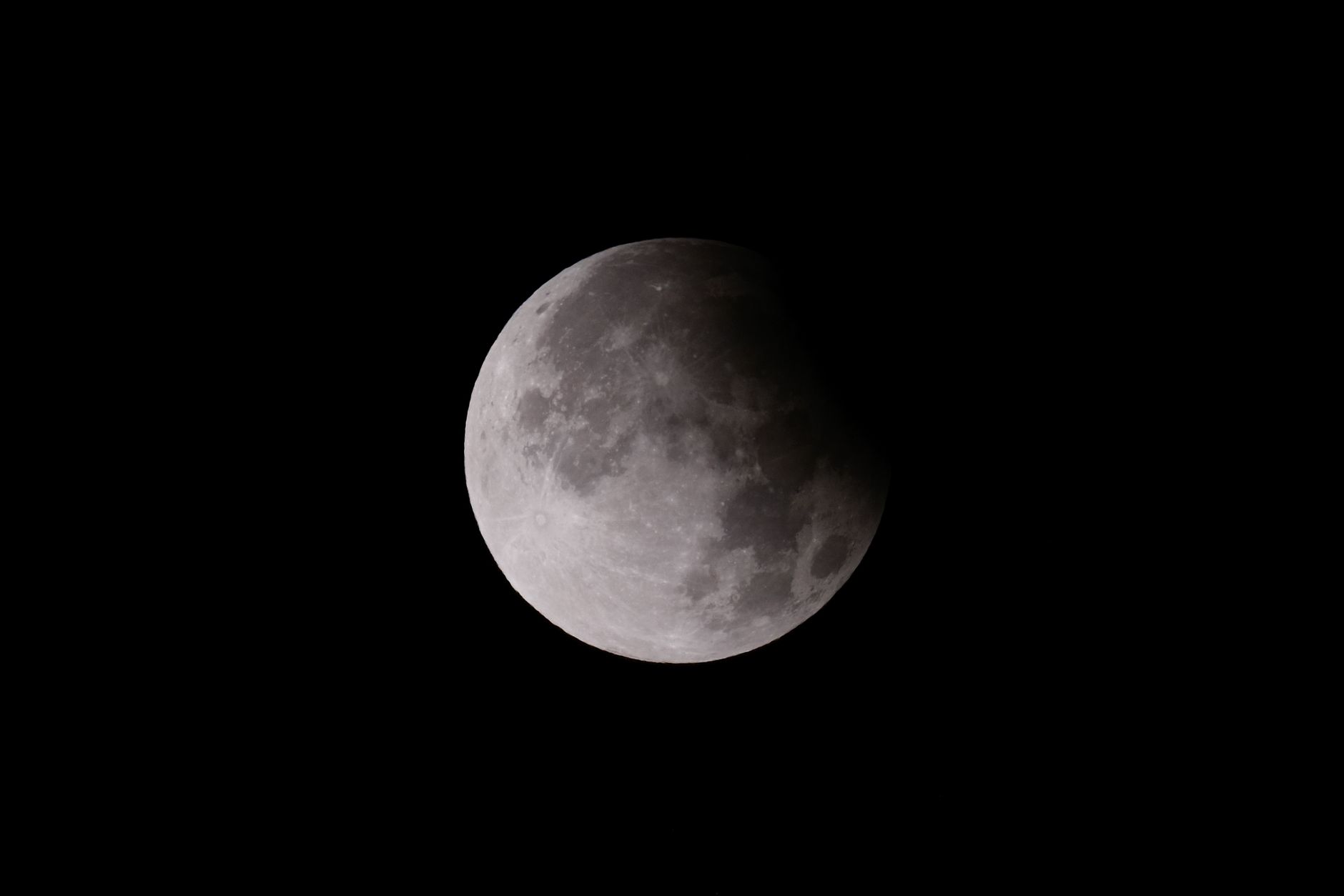
Earth microbes Moon shadow could potentially survive in extreme conditions, showcasing the resilience of life. This discovery opens new avenues for understanding life in outer space.
Introduction to Earth Microbes
Microbes are some of the most resilient organisms on Earth, capable of thriving in extreme conditions. Recent studies have shown that these tiny life forms can survive in environments previously thought to be inhospitable. One intriguing area of research has focused on the potential for Earth microbes to endure the harsh conditions found in the Moon’s shadow.
This groundbreaking investigation reveals that certain microbial species can withstand extreme temperature fluctuations and radiation levels similar to those experienced in lunar shadow regions. The implications of these findings are significant, as they suggest the possibility of life beyond Earth existing in similarly hostile environments.
Key insights from the study include:
- Microbial resilience in extreme conditions.
- Potential for life on other celestial bodies.
- Applications for future space exploration missions.
Understanding how Earth microbes adapt to such extremes could revolutionize our approach to astrobiology and the search for extraterrestrial life.
The Moon’s Shadow Explained
The phenomenon of the Moon’s shadow plays a crucial role in understanding the survival of Earth microbes in extraterrestrial environments. When the Moon eclipses the Sun, it creates a unique setting where temperatures can plummet and light diminishes drastically. This sudden change in conditions may seem inhospitable, yet certain microbes exhibit remarkable resilience.
Researchers have identified various types of microbes that thrive in extreme environments on Earth, such as:
- Deinococcus radiodurans – Known for its radiation resistance.
- Bacillus spores – Capable of withstanding extreme dehydration.
- Halobacteria – Flourish in high-salinity environments.
These microorganisms demonstrate that life can endure in challenging conditions, including the harsh, dark cold of the Moon’s shadow. Understanding their resilience provides valuable insights into potential life forms beyond our planet.
Survival Mechanisms of Microbes
Microbes on Earth exhibit remarkable survival mechanisms that allow them to endure extreme environments, including the harsh conditions found in the Moon’s shadow. These organisms employ various strategies to withstand desiccation, radiation, and temperature fluctuations.
- Desiccation Resistance: Many microbes can enter a dormant state, significantly reducing their metabolic activity, which helps them survive long periods without water.
- Radiation Tolerance: Some microbes possess unique DNA repair systems that protect them from the damaging effects of cosmic radiation.
- Thermal Stability: Certain species thrive in extreme temperatures, demonstrating biochemical adaptations that allow their proteins to function under severe conditions.
These survival mechanisms offer insights into how Earth microbes could potentially endure the Moon’s shadow, paving the way for future explorations and studies on microbial life and its resilience beyond our planet.
Implications for Space Exploration
The recent findings regarding Earth microbes in Moon shadow present significant implications for future space exploration. Understanding how these resilient organisms can survive in extreme conditions enhances our knowledge of potential life beyond Earth.
Scientists are now considering the following key aspects:
- Long-Duration Missions: If Earth microbes can endure harsh lunar environments, it raises the possibility of using similar organisms in closed-loop life support systems for extended missions to Mars and beyond.
- Astrobiology Research: The survival of microbes in Moon shadow may indicate that life could exist in similarly extreme environments elsewhere in the universe, prompting further investigations into astrobiology.
- Planetary Protection: Understanding microbial resilience in space will help develop protocols to prevent contamination of other celestial bodies during exploration.
Overall, these insights into Earth microbes’ survival strategies enhance our approach to exploring the cosmos.
Research Behind the Findings
Recent research has shed light on the resilience of Earth microbes, particularly in the context of the Moon’s shadow. Scientists conducted experiments to simulate the extreme conditions found in these dark lunar environments. The study involved exposing various microbial strains to simulated lunar regolith alongside conditions of extreme cold and radiation.
The findings revealed that certain microbes, notably those with protective outer layers, exhibited remarkable survival rates even after extended periods in the harsh lunar conditions. This resilience is attributed to their unique survival mechanisms, which include:
- Desiccation resistance: Ability to withstand extreme dryness.
- Radiation tolerance: Capacity to repair DNA damage caused by cosmic rays.
- Metabolic dormancy: A state allowing them to remain inactive until favorable conditions return.
These insights into Earth microbes in Moon shadow not only enhance our understanding of microbial life but also pave the way for future astrobiological explorations.
Future Studies on Microbial Life
Future studies on microbial life in extreme environments are crucial for understanding the resilience of Earth microbes in the Moon’s shadow. Researchers aim to explore the long-term effects of lunar conditions on microbial survival and adaptation.
Key areas of focus for upcoming research include:
- Extended Exposure: Investigating how prolonged contact with the Moon’s shadow influences microbial metabolic processes.
- Genetic Adaptations: Analyzing genetic changes that may occur in microbes during their time in harsh lunar environments.
- Interdisciplinary Approaches: Collaborating with astrobiologists, engineers, and planetary scientists to develop better models for microbial resilience.
- Potential Applications: Exploring how insights gained from Earth’s microbes could inform future space missions and the search for extraterrestrial life.
These future studies hold promise for revealing the mysteries of microbial life and its potential beyond Earth, particularly in the Moon’s shadow.
Researchers have discovered that Earth microbes in Moon shadow can endure extreme conditions previously thought to be uninhabitable. This resilience highlights the potential for life beyond our planet, as Earth microbes Moon shadow demonstrate remarkable adaptability.
Photo by Jozef Papp on Pexels